Zoe Schulz · 11 September 2026
Examining Referral Patterns in Niche Web Communities Over Extended Periods
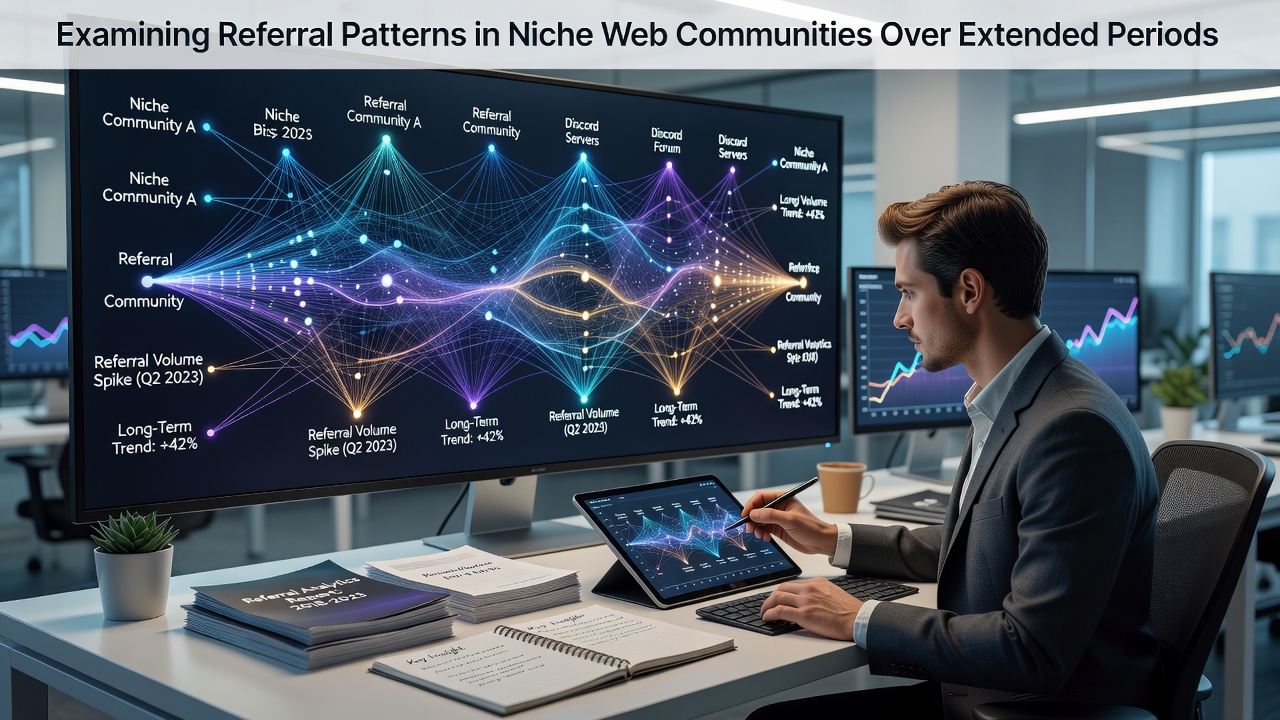
Referral patterns in niche web communities reveal how users discover and navigate specialized online spaces through links from other sites, forums, social platforms, and direct shares, and researchers track these movements using analytics tools that log incoming traffic sources across extended timelines spanning five to ten years or more. Data collected from web servers and analytics platforms show that early patterns often centered on direct forum-to-forum links within hobbyist groups, while later shifts incorporated social media aggregators and search engine results that altered the volume and quality of incoming visitors.
Tracking Methods and Data Sources
Analysts employ server logs combined with referral headers to map origins of traffic to niche sites such as enthusiast photography boards or vintage computing archives, and they compare these records against benchmarks from periods like 2015 through 2025 to identify consistent trends versus temporary spikes. Government statistical agencies in various regions compile related internet usage figures that provide context for community-level observations, for instance reports from the Australian Bureau of Statistics detail overall digital engagement rates that correlate with referral volume changes in localized hobby networks. Academic studies further supplement these records by examining archived snapshots of forum link structures, allowing observers to quantify how external references evolve when platforms update their algorithms or when users migrate to newer interfaces.
Observed Shifts Through 2025 and Into 2026
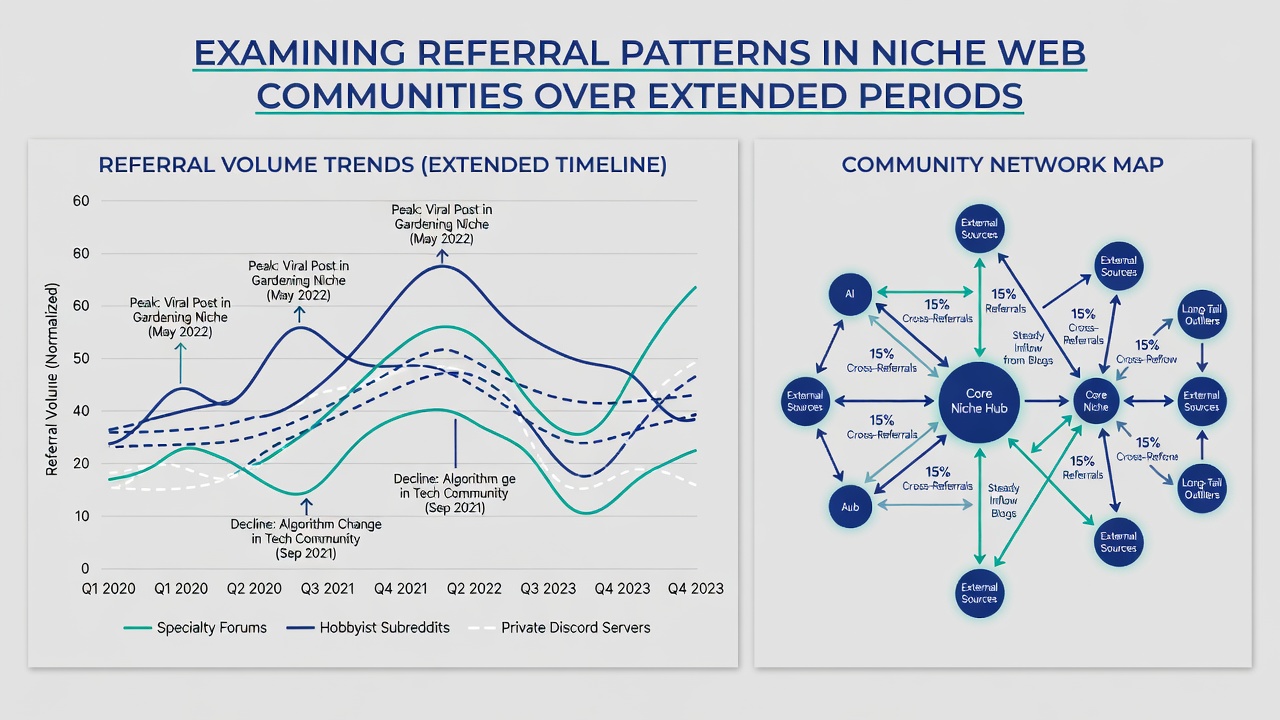
Longitudinal data indicate that referral traffic from dedicated message boards declined steadily after 2018 as participants gravitated toward integrated social features on larger networks, yet certain niche communities maintained steady inflows through persistent link sharing in topic-specific Discord channels and curated newsletters. A report covering digital community behaviors released in September 2026 by Statistics Canada highlighted continued growth in mobile-originated referrals to hobbyist resource pages, noting that these sources accounted for increasing percentages of total visits compared with desktop-based forum links from prior decades. Researchers who examined multi-year datasets discovered that seasonal patterns emerged around events such as annual conventions or product releases, creating predictable surges that repeated across successive years while baseline referral diversity broadened due to cross-posting on video platforms.
Influencing Factors Across Different Niches
Platform policy updates play a central role in redirecting referral streams, and evidence from multiple community archives shows that restrictions on external linking in major social networks reduced direct referrals to independent sites while simultaneously increasing shares via private messaging groups. Economic factors also surface in the records because advertising budgets allocated to niche content creators fluctuate, leading to temporary boosts in referral counts when sponsored posts appear on aggregator sites followed by drops once campaigns conclude. Technical changes such as the widespread adoption of content blockers and privacy-focused browsers further complicate measurement, since these tools obscure referral headers and force analysts to rely on indirect indicators like session duration and return visit frequency to infer source quality over extended observation windows.
Comparative Examples From Varied Communities
One study of gardening discussion forums documented a transition from heavy reliance on regional horticulture association websites in the mid-2010s to greater proportions of traffic arriving via image-centric platforms by 2024, with the shift accelerating after mobile app integrations improved visual sharing capabilities. In parallel, observers monitoring retro gaming communities recorded sustained referrals from emulator documentation pages and preservation project sites, although the overall share from these sources contracted as video streaming services began embedding community links within their metadata. Data from European digital market analyses, including those referenced by the European Commission, align with these patterns by showing regional variations where privacy regulations influenced how referral information was collected and shared across borders, resulting in more fragmented datasets after 2020 that required adjusted methodologies for longitudinal comparisons.
Conclusion
Extended examination of referral patterns demonstrates that niche web communities experience gradual rather than abrupt changes in traffic origins, driven by platform evolution, user behavior adjustments, and external policy shifts that accumulate over years. Continued monitoring through standardized analytics combined with periodic academic reviews supplies the necessary foundation for understanding these dynamics as they extend beyond 2026, and integration of data from diverse geographic sources strengthens the reliability of observed trends across different community types.