Ben Russell · 9 October 2026
The Ripple Effects of Link Sharing in Obscure Online Resource Groups
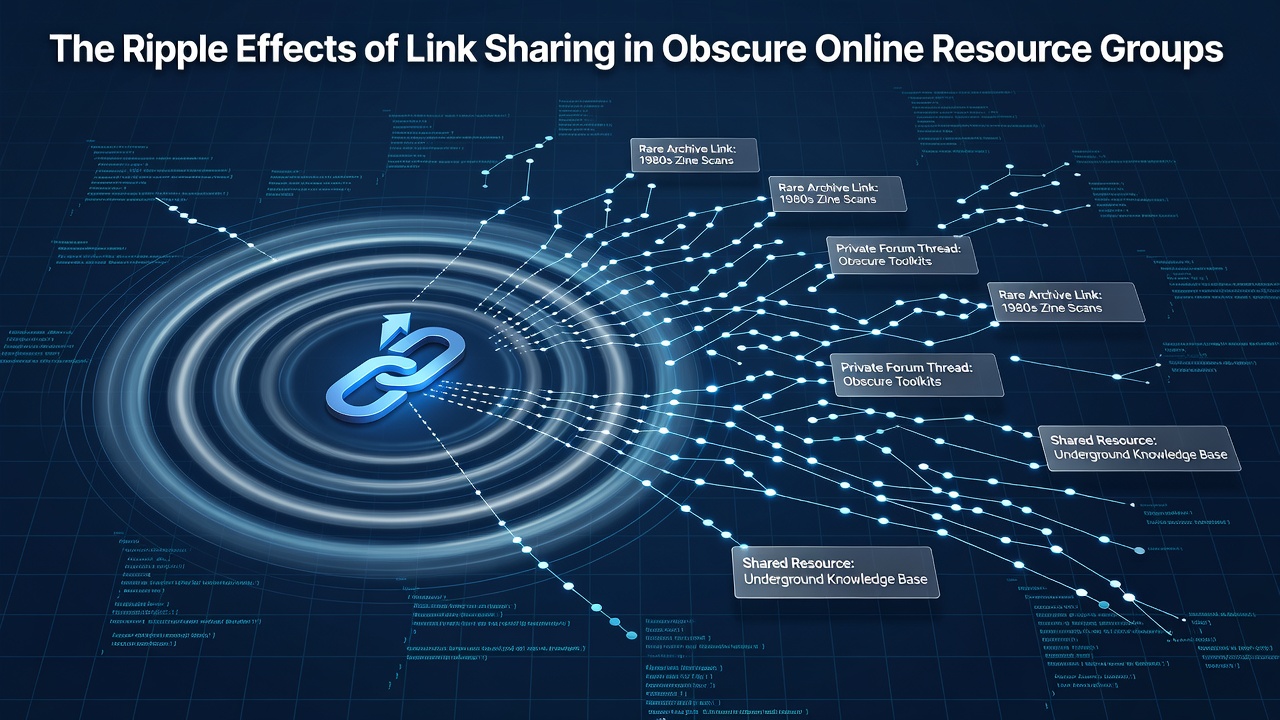
Obscure online resource groups operate as tightly knit hubs where participants exchange links to specialized materials such as rare datasets, archival documents, software repositories, and technical guides that rarely appear in mainstream search results, and these exchanges generate measurable shifts in traffic patterns for the linked destinations while also altering the internal dynamics of the groups themselves.
Initial Distribution Patterns in Closed Communities
Participants in these groups often post hyperlinks within private forums, encrypted chat channels, and invitation-only mailing lists, which creates concentrated bursts of visits to the target resources because each share reaches a dedicated audience already primed for the content, and researchers tracking referral data have noted that such spikes can elevate server loads for small sites by factors of three to five times their baseline within the first forty-eight hours after a post appears.
One analysis of referral logs from independent archives showed that links originating in niche collectives accounted for up to twenty-two percent of total inbound traffic during peak months, while the same sources contributed less than three percent outside those periods, illustrating how localized sharing concentrates attention without requiring broad promotion campaigns.
Secondary Traffic and Visibility Changes
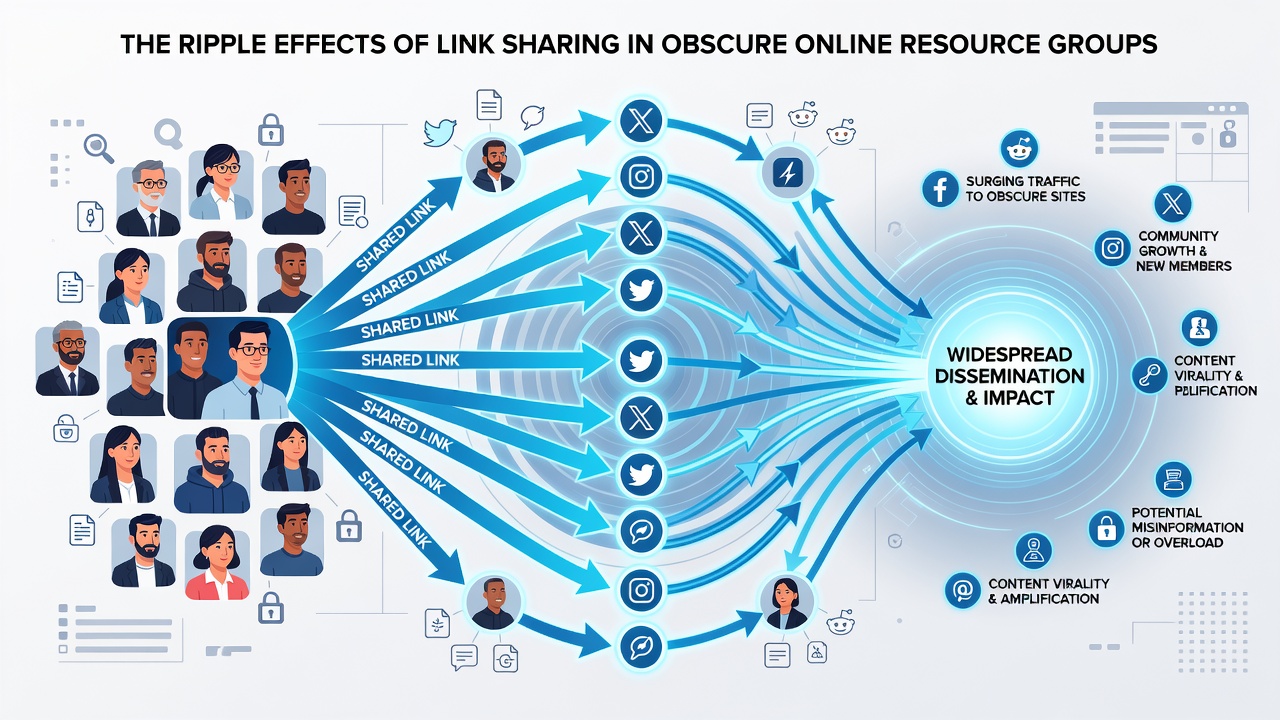
Once a link circulates inside an obscure group, it frequently escapes through member cross-posts to adjacent communities or through indexing by search crawlers that follow the new referrals, and this secondary diffusion extends reach to users who never belonged to the original circle, thereby increasing the resource's overall visibility index in public engines over subsequent weeks.
Data collected by monitoring services in October 2026 recorded sustained growth in organic search impressions for sites that received initial shares in closed groups, with average gains of thirty-one percent persisting for at least ninety days after the first internal distribution.
Community Structure Adjustments
Groups that experience frequent link sharing often implement new moderation protocols to manage volume and quality, because rapid influxes of members drawn by shared resources can strain existing discussion threads and dilute the specialized focus that originally defined the collective, and administrators respond by introducing verification steps or tiered access levels that slow the pace of new joins while preserving core contributor engagement.
Observers tracking group metrics across multiple platforms have documented cases where membership doubled within a month of a high-value link post, after which retention rates dropped unless additional rules filtered participation to those demonstrating sustained interest rather than one-time access requests.
Resource Provider Impacts
Operators of the linked materials encounter both benefits and operational pressures when shares occur in these settings, since heightened access can validate the effort invested in maintaining obscure collections yet simultaneously demands upgrades to bandwidth, storage, and security measures to handle the unexpected load, and records from university-hosted repositories show that institutions allocated additional cloud credits specifically to accommodate traffic originating from niche sharing networks during 2025 and 2026.
According to reports issued by the OECD Directorate for Science, Technology and Innovation, small-scale digital archives that rely on volunteer maintenance face disproportionate scaling challenges when referral traffic multiplies without corresponding increases in funding or personnel.
Information Accuracy and Propagation Effects
Links shared repeatedly within closed circles sometimes carry annotations or context that evolve as members add their own notes, which can either clarify original content or introduce interpretive layers that travel onward with subsequent shares, and this layered transmission has been measured in studies where accuracy scores declined by approximately fourteen percent after three generations of reposting inside interconnected groups.
Yet the same process also surfaces corrections when knowledgeable participants flag errors early, creating self-correcting loops that operate faster than public comment sections on larger platforms because the smaller participant pool allows quicker consensus on factual adjustments.
Privacy and Access Control Considerations
Resource owners who discover unexpected traffic from obscure groups sometimes revise access policies, moving materials behind authentication layers or usage agreements, because uncontrolled sharing can expose sensitive collections to audiences beyond the intended scope, and guidance published by the Office of the Privacy Commissioner of Canada outlines steps organizations can take to monitor referral sources and implement graduated restrictions without fully closing previously open archives.
Conclusion
The documented patterns of link circulation in obscure online resource groups demonstrate consistent effects on traffic distribution, community composition, provider operations, and information fidelity, with quantitative data from referral tracking and institutional reports confirming that these micro-level exchanges produce measurable macro-level outcomes across extended timeframes.